Men's Fitness Workout Plan
A consistent men’s fitness workout plan can help you build strength, improve stamina, manage body weight, and support overall health. You do not always need expensive equipment or long gym sessions to become fitter. With the right exercises, proper nutrition, enough recovery, and regular practice, you can create a sustainable fitness routine that fits your lifestyle.
Whether you are a beginner, returning to exercise after a break, or looking to improve your current routine, having a structured workout plan makes it easier to stay consistent and track your progress.
Why Follow a Men’s Fitness Workout Plan?
A structured men’s fitness workout plan gives your workouts a clear direction. Instead of randomly choosing exercises every day, you can organize your training around different muscle groups and fitness goals.
Regular exercise can support muscle strength, cardiovascular fitness, flexibility, weight management, and everyday physical performance. A balanced fitness routine should include both aerobic activity and strength training, along with other aspects such as core work and flexibility.
Following a planned routine can also help you avoid doing too much too quickly. Gradually increasing exercise intensity allows your body to adapt while giving you enough time for recovery.
Men’s Fitness Workout Plan: Complete Guide to Strength and Fitness
Best Weekly Men’s Fitness Workout Plan
A simple weekly men’s fitness workout plan can include strength training, cardio, core exercises, and recovery days.
Monday – Chest and Triceps Workout
Start the week with upper-body strength training.
- Push-ups – 3 sets of 10–15 repetitions
- Bench press – 3 sets of 8–12 repetitions
- Incline dumbbell press – 3 sets of 10 repetitions
- Dumbbell fly – 2 sets of 12 repetitions
- Triceps dips – 3 sets of 8–12 repetitions
- Triceps extensions – 2 sets of 12 repetitions
Focus on controlled movements instead of lifting weights that are too heavy.
Tuesday – Back and Biceps Workout
Tuesday can focus on pulling movements that strengthen the back and arms.
- Lat pulldown – 3 sets of 10–12 repetitions
- Seated cable row – 3 sets of 10–12 repetitions
- Dumbbell row – 3 sets of 10 repetitions
- Face pulls – 2 sets of 12–15 repetitions
- Dumbbell curls – 3 sets of 10–12 repetitions
- Hammer curls – 2 sets of 12 repetitions
Keep your back stable and avoid using momentum while performing these exercises.
Wednesday – Cardio and Core Workout
A balanced men’s fitness workout plan should not focus only on muscle building. Cardio can help improve endurance and support cardiovascular fitness.
Cardio Exercises
- Brisk walking – 20–30 minutes
- Cycling – 15–20 minutes
- Light jogging – 10–15 minutes
Core Exercises
- Plank – 3 sets of 30–60 seconds
- Bicycle crunches – 3 sets of 12–15 repetitions
- Leg raises – 3 sets of 10–12 repetitions
Choose an intensity that matches your current fitness level.
Thursday – Leg Workout
Leg training is essential for building a strong and balanced body.
- Squats – 3 sets of 10–12 repetitions
- Lunges – 3 sets of 10 repetitions per leg
- Leg press – 3 sets of 10–12 repetitions
- Romanian deadlift – 3 sets of 8–10 repetitions
- Calf raises – 3 sets of 15 repetitions
Start with a manageable resistance level and concentrate on proper technique.
Friday – Shoulders and Core Workout
Friday can target the shoulders while adding another short core session.
- Shoulder press – 3 sets of 8–12 repetitions
- Lateral raises – 3 sets of 12 repetitions
- Front raises – 2 sets of 12 repetitions
- Rear-delt fly – 3 sets of 12 repetitions
- Plank – 3 sets
- Mountain climbers – 3 sets of 20–30 seconds
Core exercises can help support movements involving both the upper and lower body.
Saturday – Full-Body Workout
A full-body session can be useful for improving overall strength and fitness.
Try these exercises:
- Bodyweight squats
- Push-ups
- Dumbbell rows
- Lunges
- Shoulder presses
- Planks
Perform 2–3 sets of each exercise depending on your fitness level.
Sunday – Rest and Recovery
Rest is an important part of a men’s fitness workout plan. Your body needs recovery time after training.
Use your rest day for:
- Light walking
- Gentle stretching
- Mobility exercises
- Complete rest
Avoid intense training if your body feels excessively tired or sore.
Men’s Fitness Workout Plan: Complete Guide to Strength and Fitness

How to Make Your Workout More Effective
The best men’s fitness workout plan is one that you can follow consistently. Keep your workouts realistic and avoid trying to change everything at once.
Start With a Proper Warm-Up
Spend around 5–10 minutes warming up before strength training. Light walking, cycling, dynamic movements, and mobility exercises can prepare your body for exercise.
Focus on Proper Form
Good technique is more important than lifting heavy weights. Poor form can reduce exercise effectiveness and increase the risk of injury.
Start with lighter resistance and learn the movement before increasing the load.
Increase Intensity Gradually
As your fitness improves, gradually increase repetitions, resistance, duration, or training difficulty.
Avoid making large increases suddenly. Give your body time to adapt to new training demands.
Track Your Progress
Keep a simple record of your workouts. You can track:
- Number of sets
- Repetitions
- Weight used
- Workout duration
- Cardio distance
- Rest periods
Tracking progress can help you understand what is working and when you are ready to increase the challenge.
Men’s Fitness Workout Plan: Complete Guide to Strength and Fitness

Nutrition Tips for Men
Exercise works best when combined with a nutritious diet. Include a variety of protein sources, vegetables, fruits, whole grains, healthy fats, and adequate fluids.
Protein-Rich Foods
Protein can support muscle repair and recovery. Depending on your dietary preferences, useful options include:
- Eggs
- Milk
- Yogurt
- Paneer
- Fish
- Chicken
- Beans
- Lentils
- Soy products
Stay Hydrated
Drink enough water throughout the day, especially when exercising or during hot weather. Proper hydration supports normal body functions and exercise performance.
Choose Balanced Meals
Try to include protein, carbohydrates, vegetables, and healthy fats in your meals. Limit excessive consumption of highly processed foods, sugary drinks, and fried foods.
Men’s Fitness Workout Plan: Complete Guide to Strength and Fitness

Common Workout Mistakes to Avoid
Even a well-designed men’s fitness workout plan may not produce good results if basic mistakes are repeated.
Skipping Warm-Ups
Starting intense exercise without preparing your body can make the workout feel harder and may increase injury risk.
Lifting Too Heavy
Using weights that are beyond your current ability can negatively affect your form. Choose a resistance that allows you to perform the exercise with control.
Ignoring Recovery
Training hard every day without sufficient recovery can make it difficult for your body to adapt. Include rest or lighter training days in your routine.
Changing Your Routine Too Often
Fitness results take time. Constantly changing exercises and routines can make it difficult to measure progress.
Expecting Immediate Results
Building strength and improving fitness is a gradual process. Focus on consistent effort rather than expecting dramatic changes within a few days.
Men’s Fitness Workout Plan: Complete Guide to Strength and Fitness
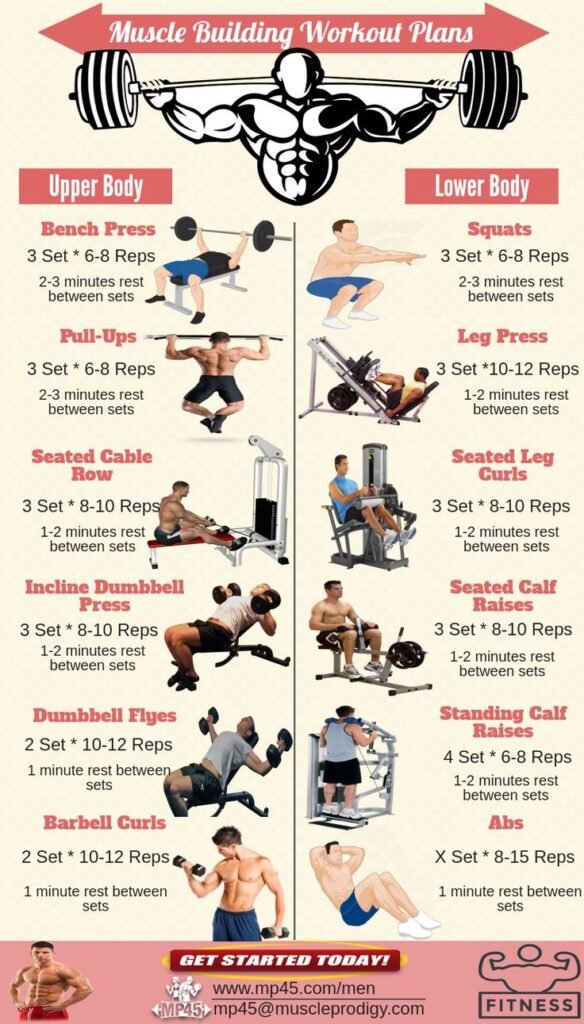
How Beginners Can Start Safely
If you are new to exercise, begin with basic movements and moderate intensity.
A beginner men’s fitness workout plan should focus on learning proper technique, developing consistency, and gradually increasing training volume.
Beginner-Friendly Exercises
Start with exercises such as:
- Bodyweight squats
- Push-ups
- Walking
- Lunges
- Planks
- Glute bridges
- Resistance-band exercises
Begin with manageable sets and repetitions. As your fitness improves, gradually make your workouts more challenging.
If you have an existing health condition, injury, or concerns about starting exercise, consider speaking with a qualified healthcare professional before beginning a new workout routine.
Internal Link Section
For more fitness tips, workout guides, nutrition information, and healthy lifestyle content, readers can explore the Fitsparks home page.
Internal Link: Fitsparks – Fitness Tips, Workouts & Healthy Lifestyle
Suggested Anchor Text: Fitness Tips and Workout Guides
External Link Section
For additional evidence-based information about exercise, strength training, cardio, flexibility, and creating a balanced fitness routine, readers can visit Mayo Clinic’s fitness guide.
Trusted External Resource: Mayo Clinic – Fitness Training: Elements of a Well-Rounded Routine
Suggested Anchor Text: Mayo Clinic Fitness Training Guide
Frequently Asked Questions
How Many Days a Week Should Men Work Out?
For many people, exercising around 3–5 days per week can be a practical approach, depending on their goals, fitness level, and recovery needs.
Beginners can start with fewer sessions and gradually increase their activity.
Can Men Build Muscle With Home Workouts?
Yes. Bodyweight exercises and resistance bands can provide effective training. As you become stronger, you can gradually add resistance or use more challenging exercise variations.
Is Cardio Necessary for Men’s Fitness?
Yes. Cardio is an important part of overall fitness. Walking, cycling, jogging, swimming, and other aerobic activities can improve endurance and support cardiovascular health.
How Long Should a Workout Last?
A workout does not need to be extremely long. A focused 30–60 minute session can be enough for many people, depending on their exercises, fitness level, and goals.
What Is the Most Important Part of a Workout Routine?
Consistency is one of the most important factors. A realistic men’s fitness workout plan that you can follow regularly is generally more useful than an extreme routine that you cannot maintain.
Final Thoughts
A successful men’s fitness workout plan should combine strength training, cardio, core exercises, mobility, proper nutrition, and recovery.
You do not need to make your routine complicated. Start with manageable exercises, focus on proper form, track your progress, and increase the challenge gradually.
The key is to make fitness a regular part of your lifestyle rather than treating it as a short-term goal. With patience and consistency, your strength, endurance, and overall fitness can improve over time.
About the Author